
Montessori for Adolescents
Practical Guidance and Resources to Bring Your Adolescent Community to Life
What We Do
You Are Not Doing This Alone
The Montessori Adolescent Collective is a collaborative online community for Third Plane Practitioners to connect worldwide. We support one another through a shared resource library, community, and partnerships between our schools.
GuidanceBuild It With People Who Have Done It
We offer Montessori Adolescent guidance through live webinars, downloadable resources, and 1:1 consulting partnerships.
AccessNo Adolescent Should Miss Out
Through fundraising, we provide resources and support to adults working with adolescents worldwide. Our goal is to support teachers in creating environments where adolescents can thrive.
Why It Matters
Why Montessori for Adolescents Matters Now
Recent research paints a clear picture: adolescent mental health has declined significantly over the past decade, and the environments young people grow up in matter deeply. Montessori pedagogy offers a meaningful path forward.
What is happening to adolescent mental health?
Research consistently shows that adolescent mental health has declined sharply since the early 2010s. Rates of depression, anxiety, self-harm, and loneliness have risen across the world. One in five U.S. teens now experiences a major depressive episode each year, and emergency room visits for self-harm among young people have increased dramatically. These trends are not isolated — they appear across countries, cultures, and demographics.
How are adolescents struggling with connection?
Despite being more "connected" than ever through devices, today's adolescents are profoundly lonely. School loneliness has risen across 37 countries, and time spent with friends in person has dropped sharply since 2012. Teens are replacing real-world relationships — the kind built through shared work, play, and face-to-face conversation — with shallow digital interactions that leave them feeling isolated and unseen.
What does the research say about screens and development?
Studies point to four compounding harms associated with excessive screen-based childhood: social deprivation, sleep disruption, attention fragmentation, and addictive patterns of use. Academic performance, sleep quality, exercise, and in-person friendships have all declined in the same period that smartphones became ubiquitous among young people. The data suggests that the shift away from unstructured, embodied, real-world experience has come at a significant cost.
How does Montessori philosophy address these challenges?
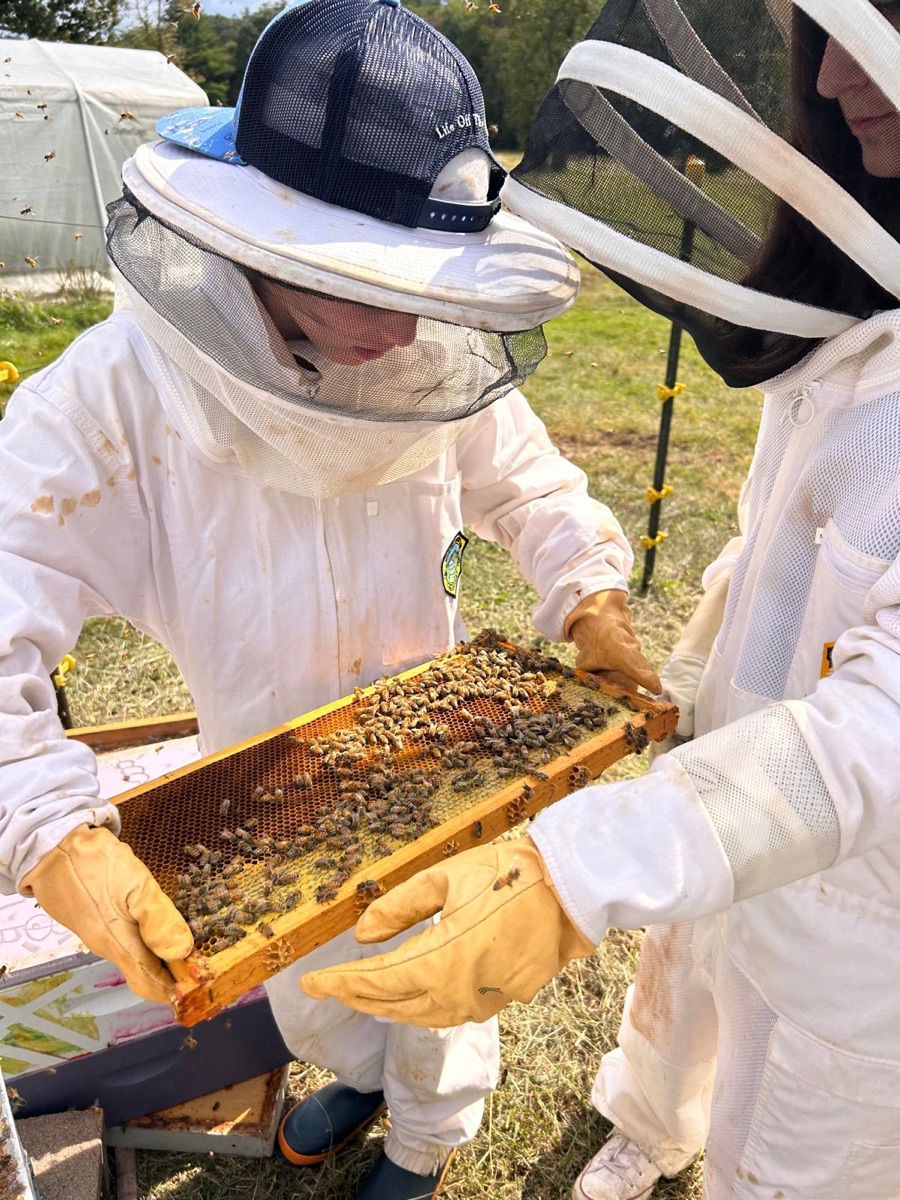
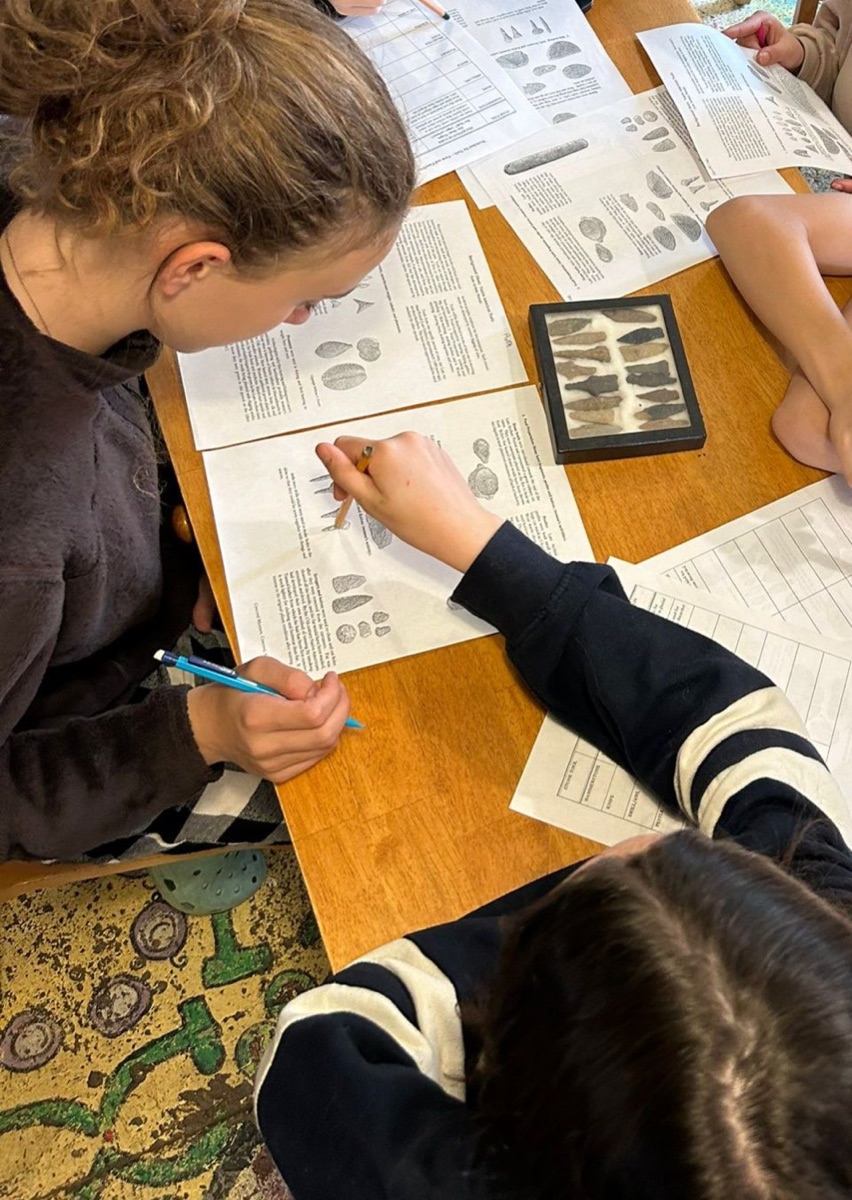
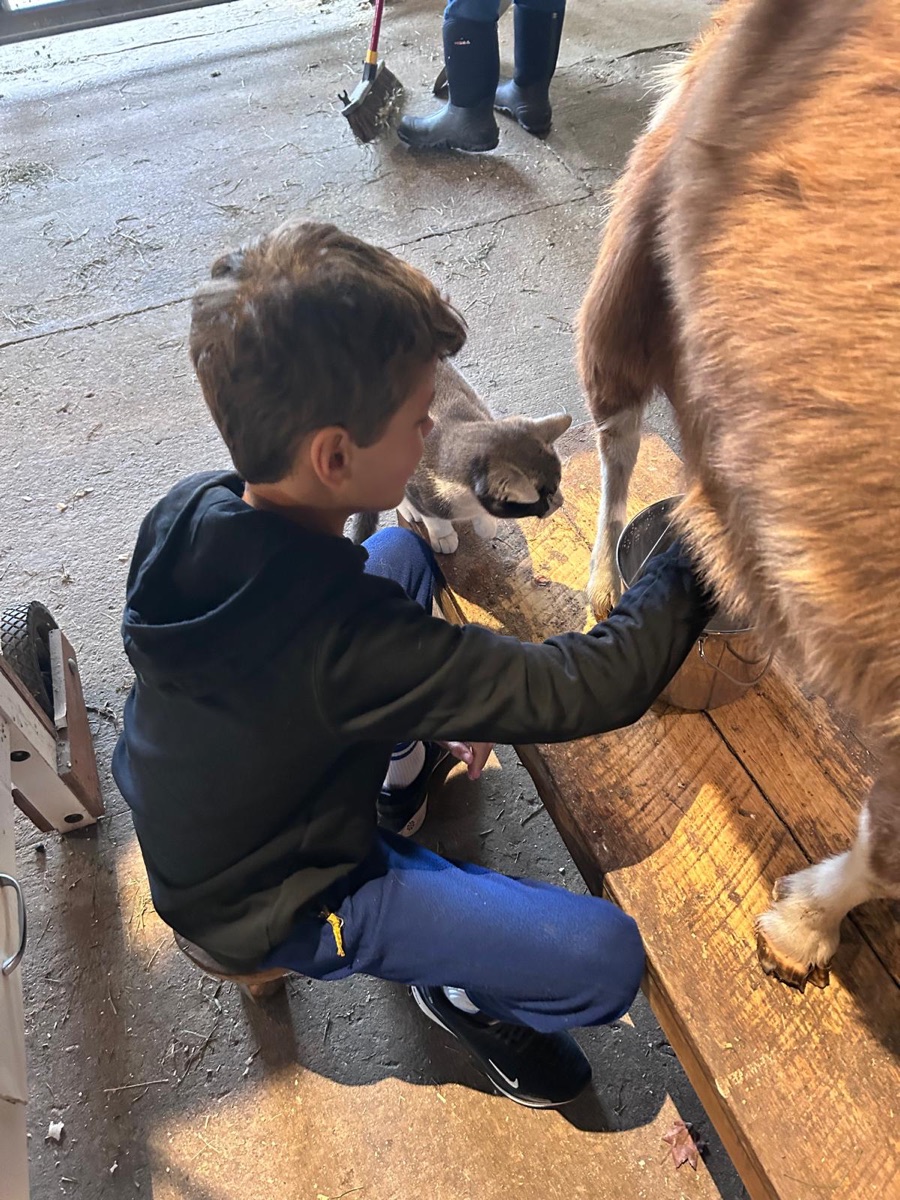
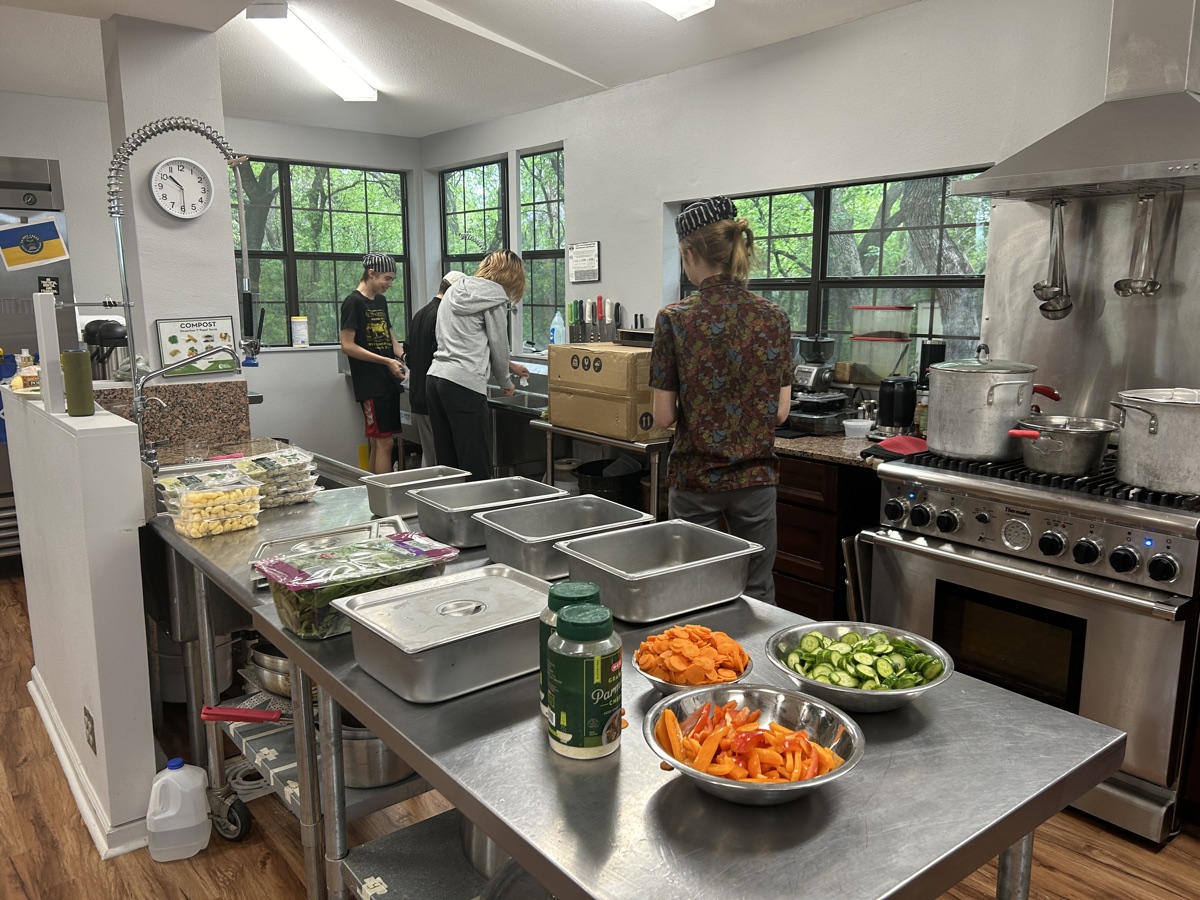
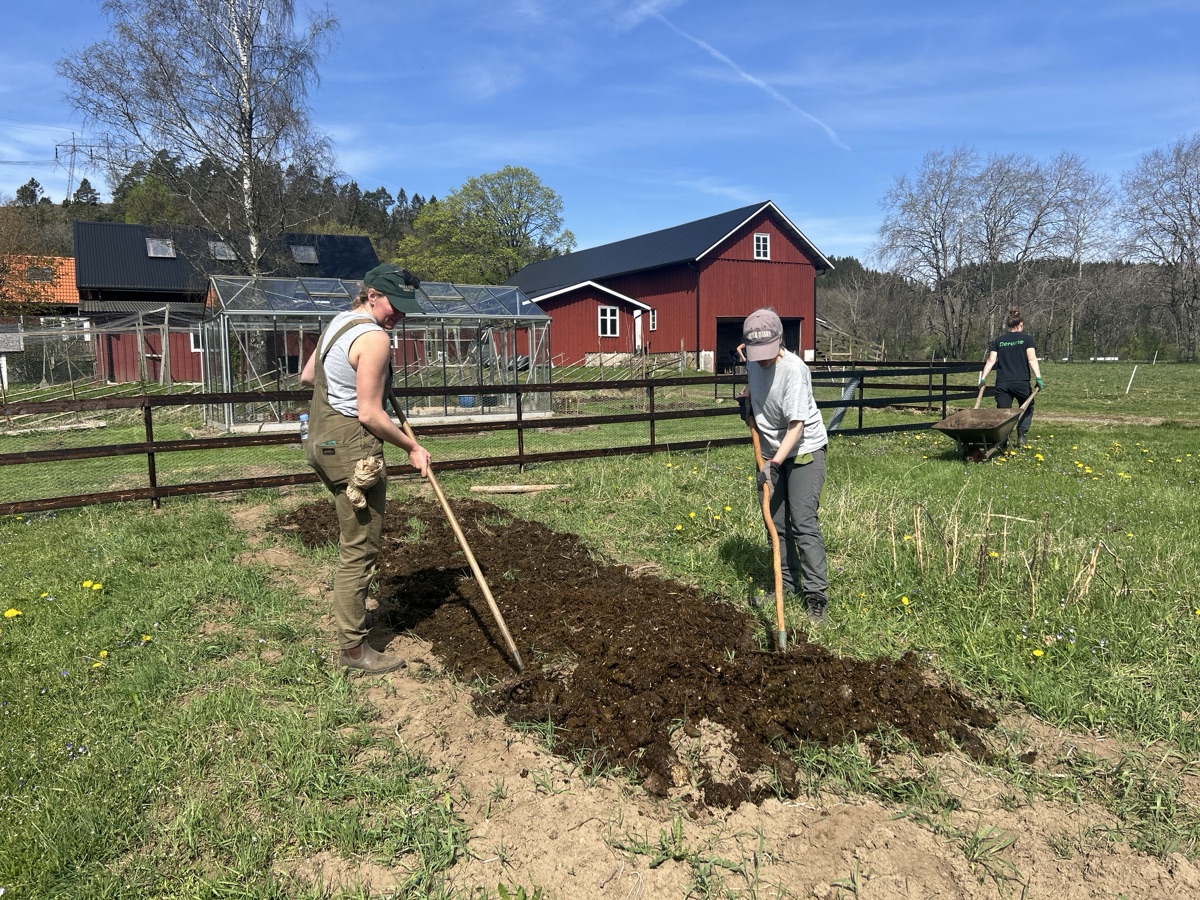
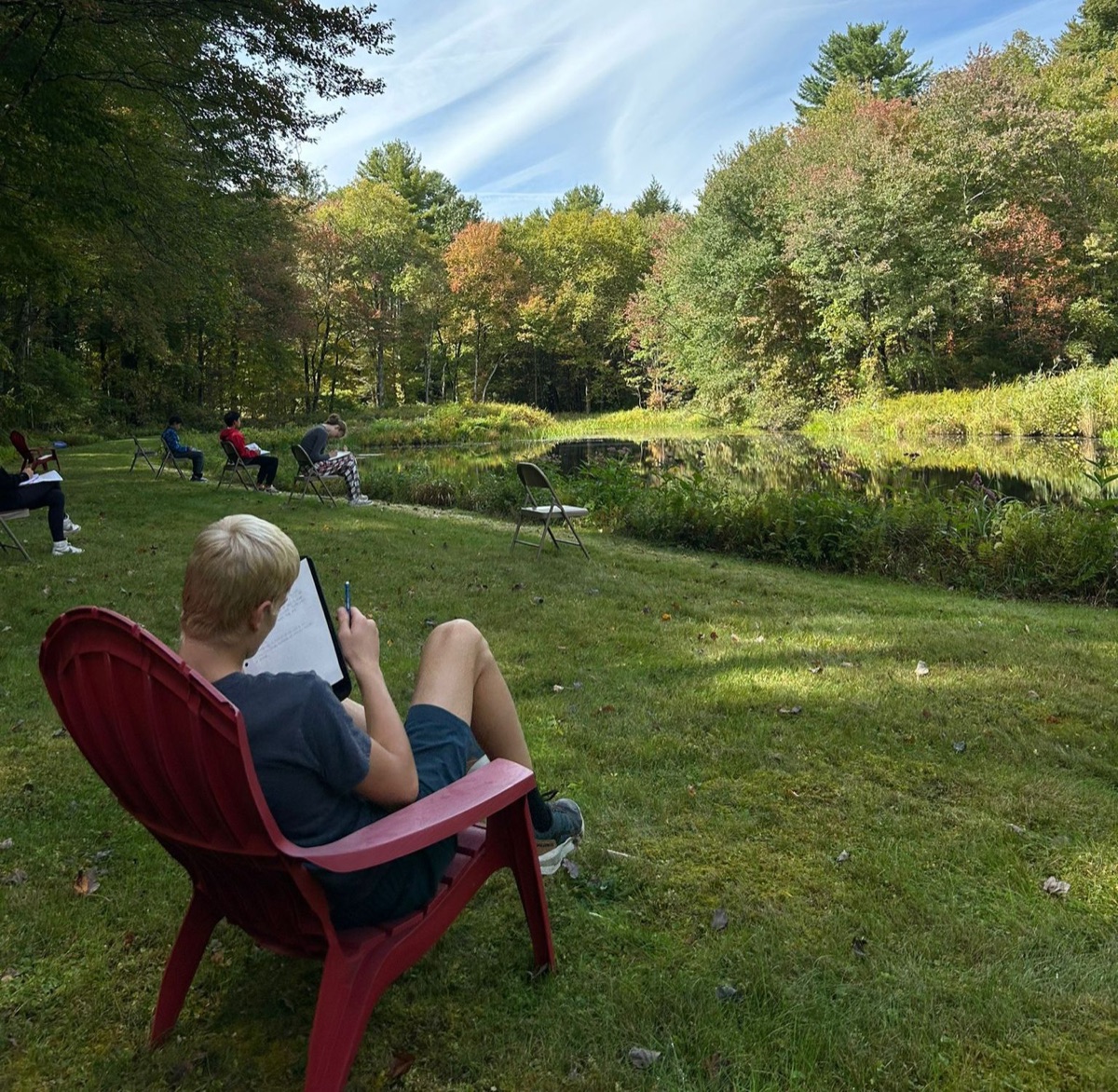
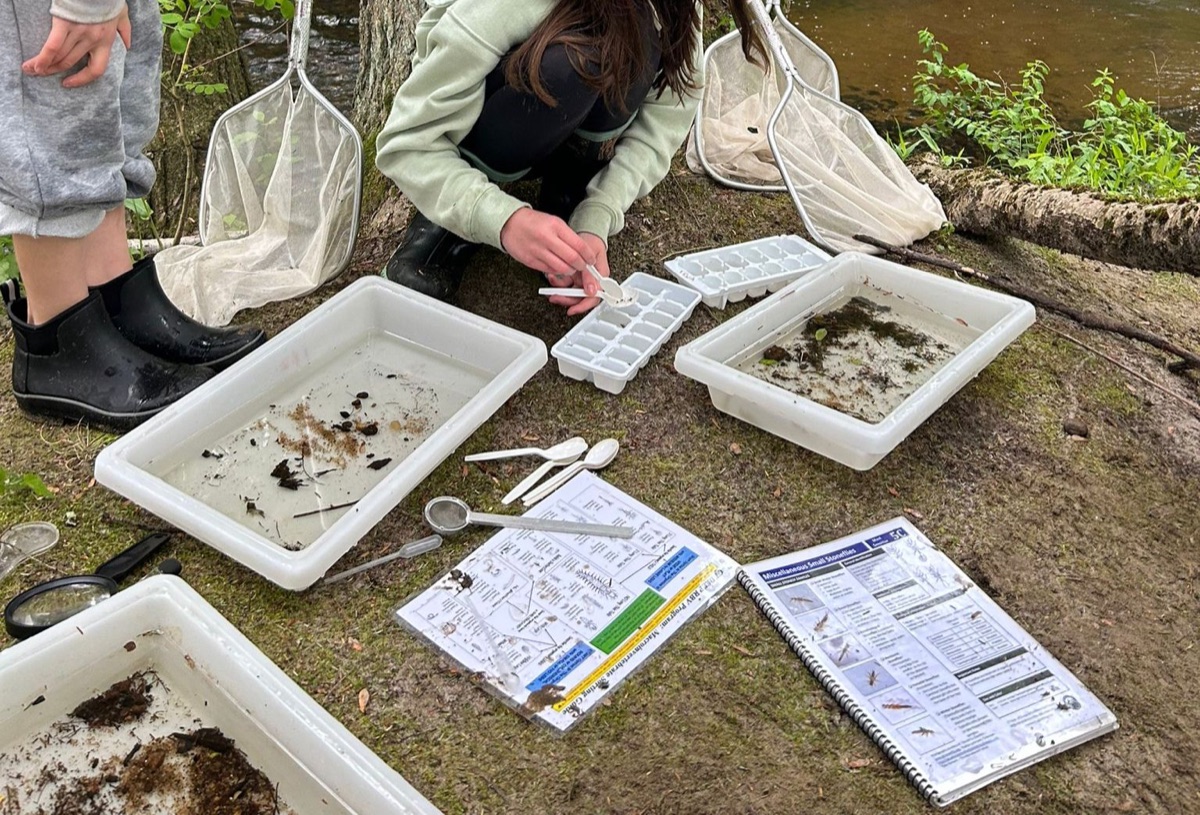
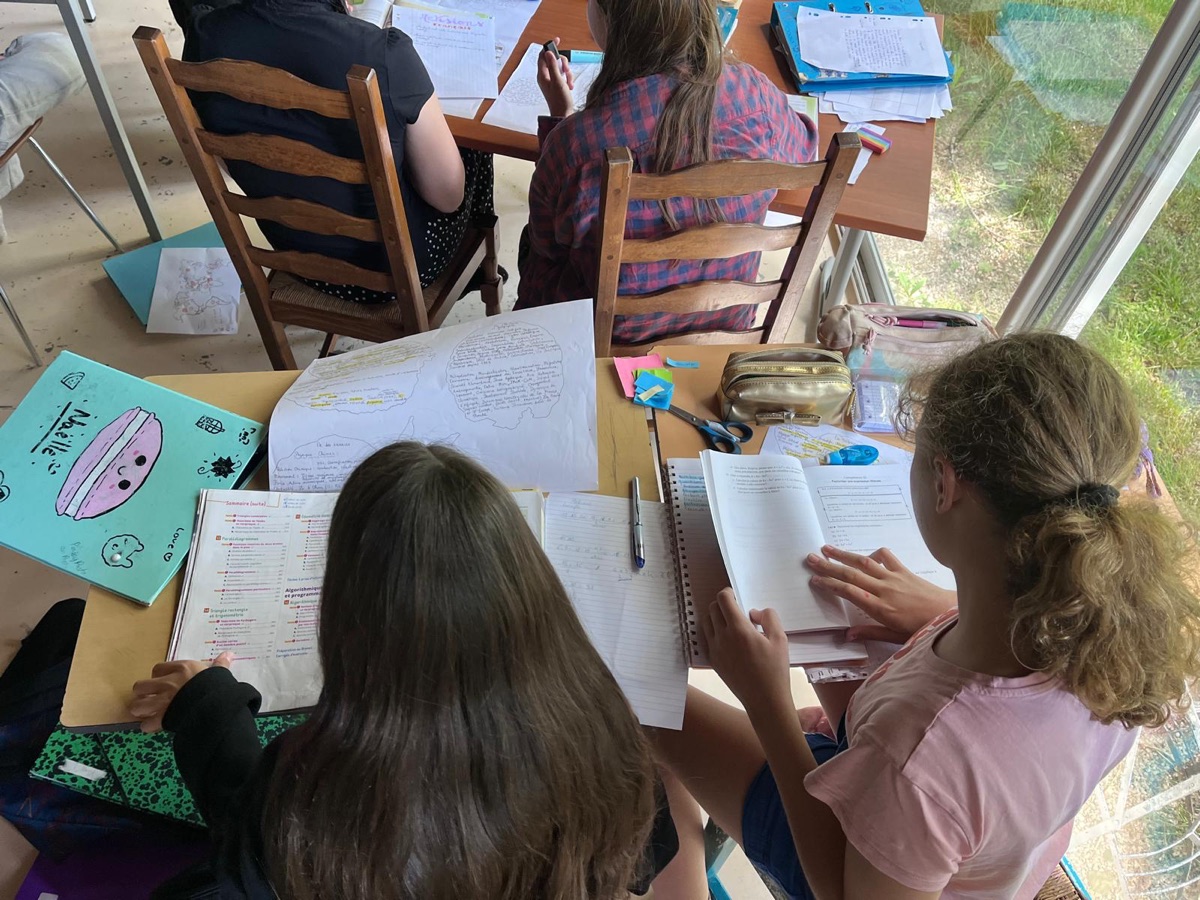
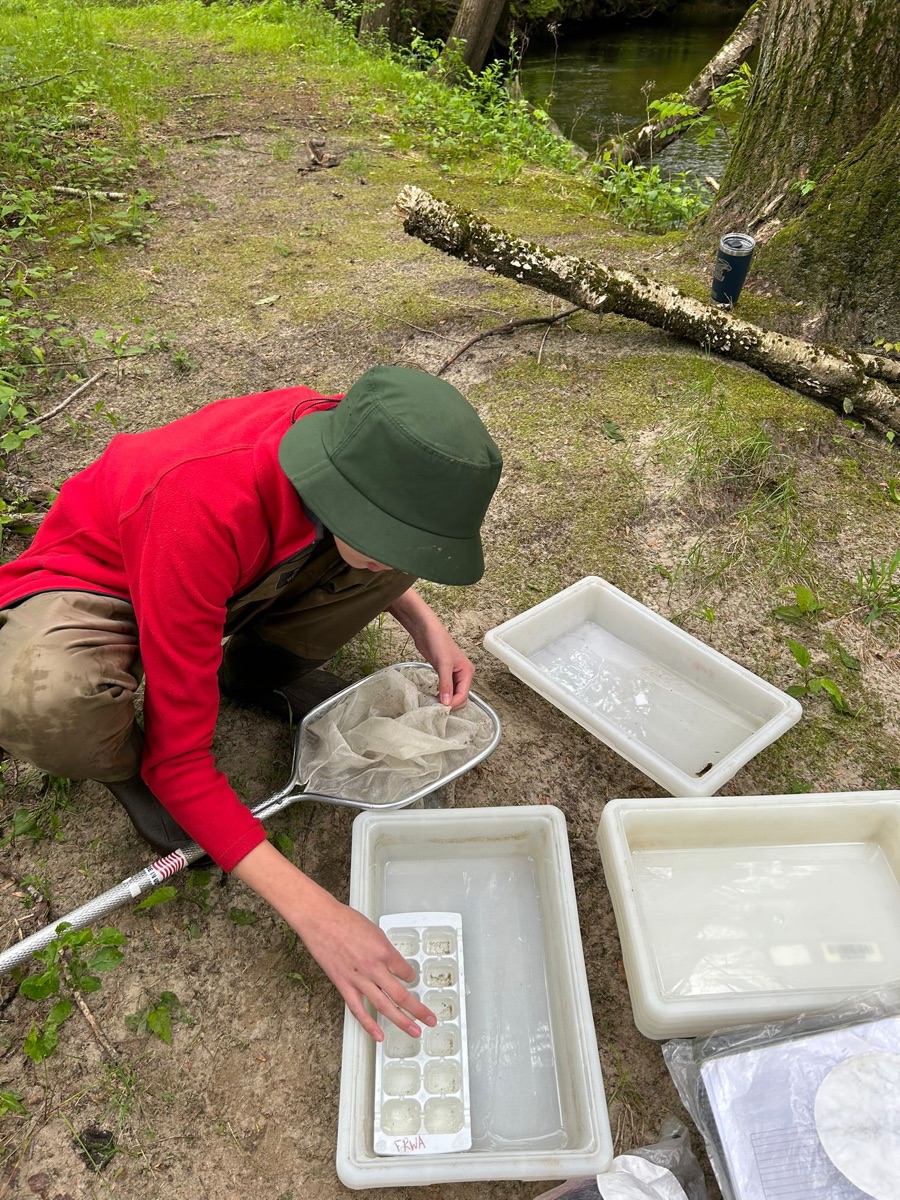
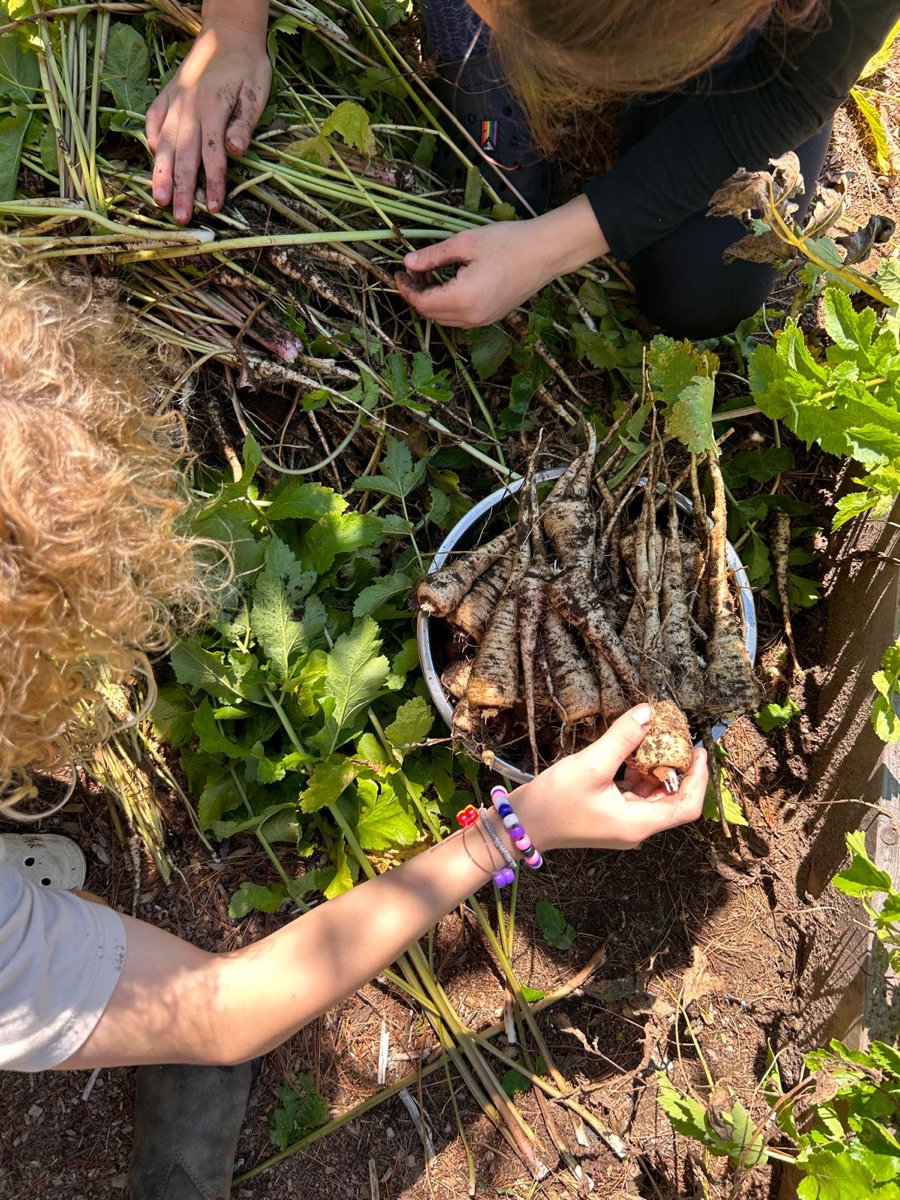
Maria Montessori understood that adolescents need meaningful work, real community, and a deep connection to the natural world. Her vision for the Erdkinder — a farm-based school for adolescents — directly counters what the research identifies. Where screens fragment attention, Montessori cultivates deep focus. Where social media isolates, Montessori builds genuine community through collaboration. Where passive consumption displaces sleep and movement, Montessori grounds young people in physical, purposeful work on the land.
What can parents and educators do?
Research points toward delaying smartphone use, restoring free play, and prioritizing real-world experiences for young people. Montessori educators and parents can lead this shift by creating environments where adolescents engage in hands-on work, contribute to their communities, and develop independence through responsibility — not through screens. Our guidance, resources, and community are here to support you in nurturing the whole adolescent.